
Jun 1, 2026
Contracts and Small Claims: When Legal Help Makes Sense
Understanding the nuances of contracts and small claims in Thailand can help expats navigate disputes effectively. This guide outlines common scenarios and when to seek legal assistance.
By Thriving Expat
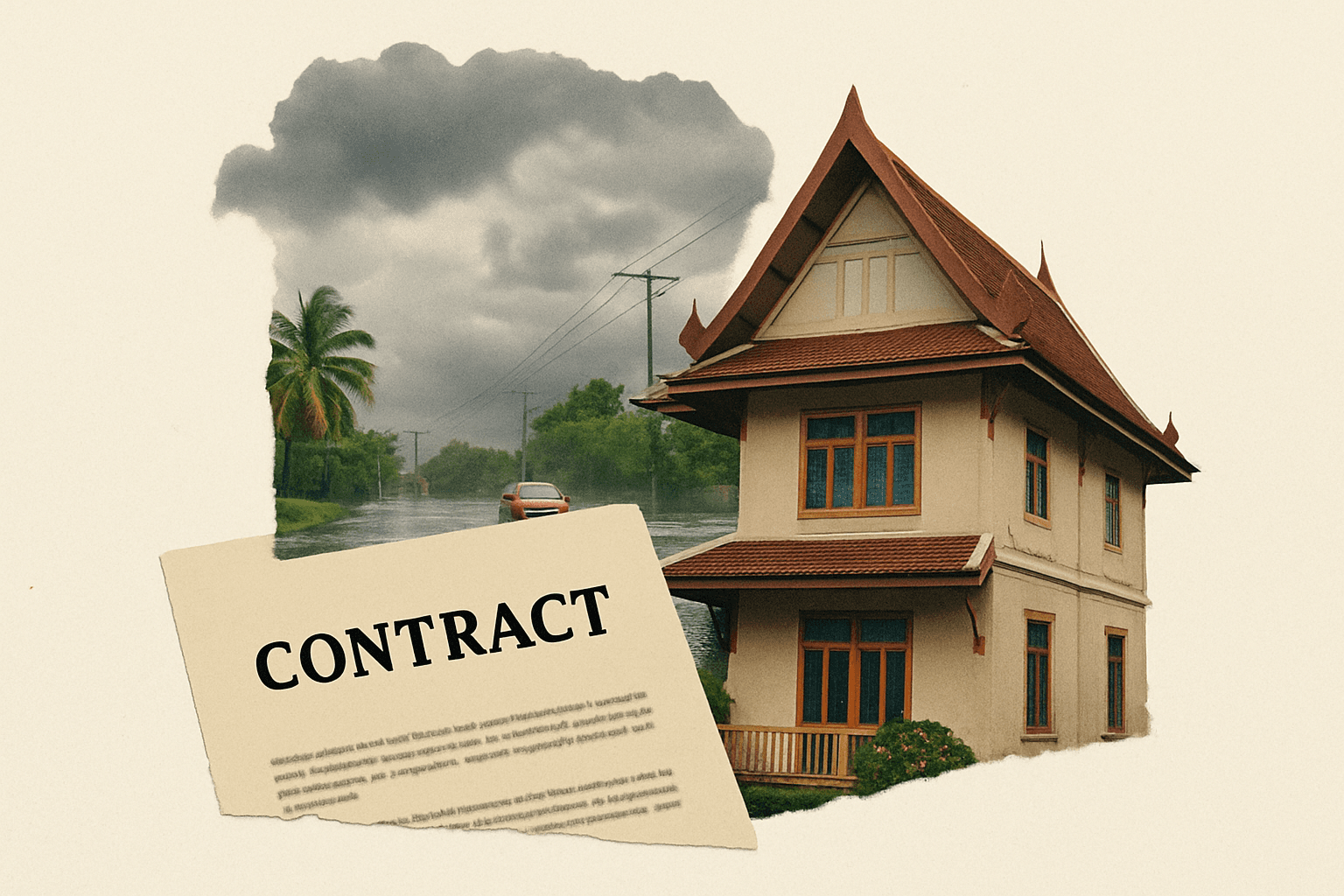
When it comes to legal matters in Thailand, there are often misconceptions about the role of contracts and the small claims process. Navigating lease disputes, employer correspondence, or consumer issues can be daunting, especially for those new to the country. Understanding the reality of these situations can help expats address problems efficiently before they escalate into more significant legal challenges.
Common Scenarios Requiring Legal Insight
- Lease Disputes: Rental agreements are a common source of conflict. Whether it's issues with deposit refunds or the terms of the lease not being honored, having a clear understanding of the lease agreement is crucial.
- Employer Letters: If you experience issues with your employer, such as unpaid wages or unfair termination, understanding your rights as an employee is essential.
- Consumer Cases: From disputes over purchases to services not rendered, knowing how to approach these issues can save time and stress.
Myth vs. Reality
Myth: Legal help is only necessary for serious disputes.
Reality: Many minor disputes can escalate quickly if not handled appropriately. Seeking legal advice early can often prevent more significant issues down the line.
When to Seek Legal Help
- Documentation Issues: If you find yourself in a dispute where documentation is key—be it contracts, emails, or receipts—it’s wise to consult a lawyer. They can help you understand your position and the strength of your case.
- Negotiation Failures: If initial attempts at negotiation with the other party fail, legal counsel can provide strategies for effective negotiation or represent you in discussions.
- Complex Cases: For cases involving multiple parties or complicated legal jargon, professional guidance is essential. For instance, in lease disputes, understanding both tenant and landlord rights can be complex.
Triage Your Problems
Before escalating to legal action, consider the following:
- Assess the Situation: Determine the severity of the issue. Is it a breach of contract, or is it a communication error? This can help you decide whether legal action is necessary.
- Gather Evidence: Collect all relevant documents related to the issue. This may include contracts, emails, and any correspondence that could support your case.
- Attempt Mediation: Often, mediation can resolve disputes without going to court. This can save time and money while providing a quicker resolution.
Understanding Small Claims in Thailand
- Small claims courts in Thailand handle disputes involving relatively low monetary values. Understanding the limits and processes involved can be beneficial for expats. It’s advisable to verify the current regulations and limits as they may change over time.
- Keep in mind that each case is unique, and while you can represent yourself in small claims court, having a legal advisor can significantly improve your chances of success.
Conclusion
Navigating legal issues can be overwhelming, especially in a foreign country. However, understanding when to seek help and how to approach disputes can make a significant difference. Remember, early intervention often leads to better outcomes.
Disclaimer
This post is for informational purposes only. Readers should verify official requirements and consult legal professionals for specific legal advice.