
Apr 30, 2026
Embracing Thai Culture: A Guide for Expats
Understanding the social norms and etiquette in Thailand is essential for a smooth transition as an expat. This guide covers communication styles, daily interactions, and practical expectations.
By Thriving Expat
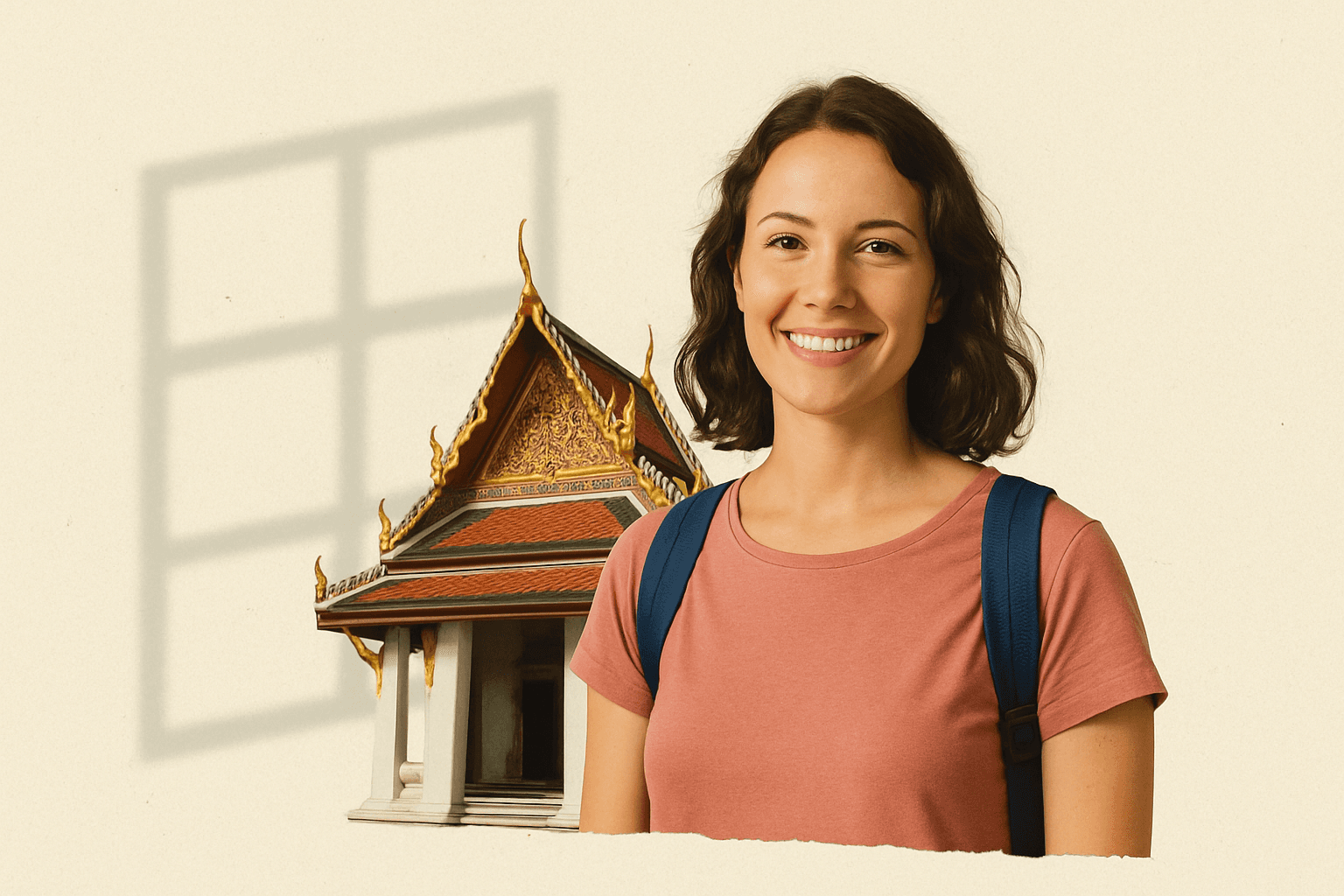
Picture yourself at a bustling street market in Bangkok, surrounded by vibrant stalls and locals engaging in friendly banter. To fit in seamlessly, grasping the nuances of Thai culture is crucial. This guide aims to provide you with actionable insights into social norms, etiquette, communication styles, and practical expectations for daily life in Thailand.
Social Norms and Etiquette
Thai culture is deeply influenced by Buddhism, and this is reflected in their social interactions. Here are some key points to consider:
- Wai Greeting: The traditional Thai greeting involves placing your palms together in a prayer-like gesture and bowing your head slightly. It’s a sign of respect. Use this gesture when meeting someone for the first time or greeting elders.
- Respect for the Monarchy: Thais have a strong sense of loyalty towards their royal family. Speaking negatively about the monarchy is not only frowned upon but can lead to severe consequences. Always approach conversations about the royal family with respect.
- Personal Space: Thais value personal space; avoid standing too close during conversations, especially with someone you’ve just met. Maintaining an appropriate distance shows respect for their comfort.
Communication Style
Understanding the local communication style can enhance your interactions:
- Indirect Communication: Thais often communicate in a non-confrontational manner. Instead of saying “no” outright, they might use softer language or change the subject. Be attuned to this style to avoid misunderstandings.
- Non-verbal Cues: Body language is significant. A smile can convey a range of emotions, from happiness to embarrassment. Pay attention to these non-verbal cues, as they can reveal more than words.
- Politeness: Using polite language and titles is essential. Addressing someone as “Khun” (Mr./Ms.) followed by their first name is a respectful way to communicate. This small adjustment can go a long way in building rapport.
Practical Cultural Expectations
Integrating into Thai culture requires some adjustments in your daily life:
- Dining Etiquette: When dining, it’s common to share dishes. It’s polite to wait until the host starts eating before you dig in. Additionally, use your fork to push food onto your spoon, as eating directly with a fork is considered improper.
- Dress Code: Modesty is highly valued. When visiting temples or sacred sites, ensure that you dress appropriately—shoulders and knees should be covered. This reflects respect for local customs.
- Understanding Holidays: Thailand has numerous public holidays that are celebrated nationwide. Familiarize yourself with these occasions as they may affect business operations and public services. For instance, the long holiday seasons can slow domestic travel and impact local commerce [Source 2].
What to Do This Week
- Practice the Wai: Try greeting friends or locals with the wai. It’s a great way to show respect and start conversations.
- Visit a Local Market: Immerse yourself by visiting a nearby market. Observe the interactions and try to engage with vendors using polite language.
- Learn Basic Thai Phrases: Start with simple greetings and expressions. Knowing a few words can enhance your experience and show your effort in embracing the culture.
By understanding these cultural elements, you can navigate daily life in Thailand with greater ease and confidence. Embracing the local customs will not only help you integrate but also enrich your overall experience as an expat in this vibrant country.