
May 3, 2026
Evaluating Your Housing Options: Buy or Rent in Thailand
Explore the pros and cons of buying versus renting a property in Thailand, tailored for expats. Understand the risks, liquidity concerns, and necessary documentation involved in each path.
By Thriving Expat
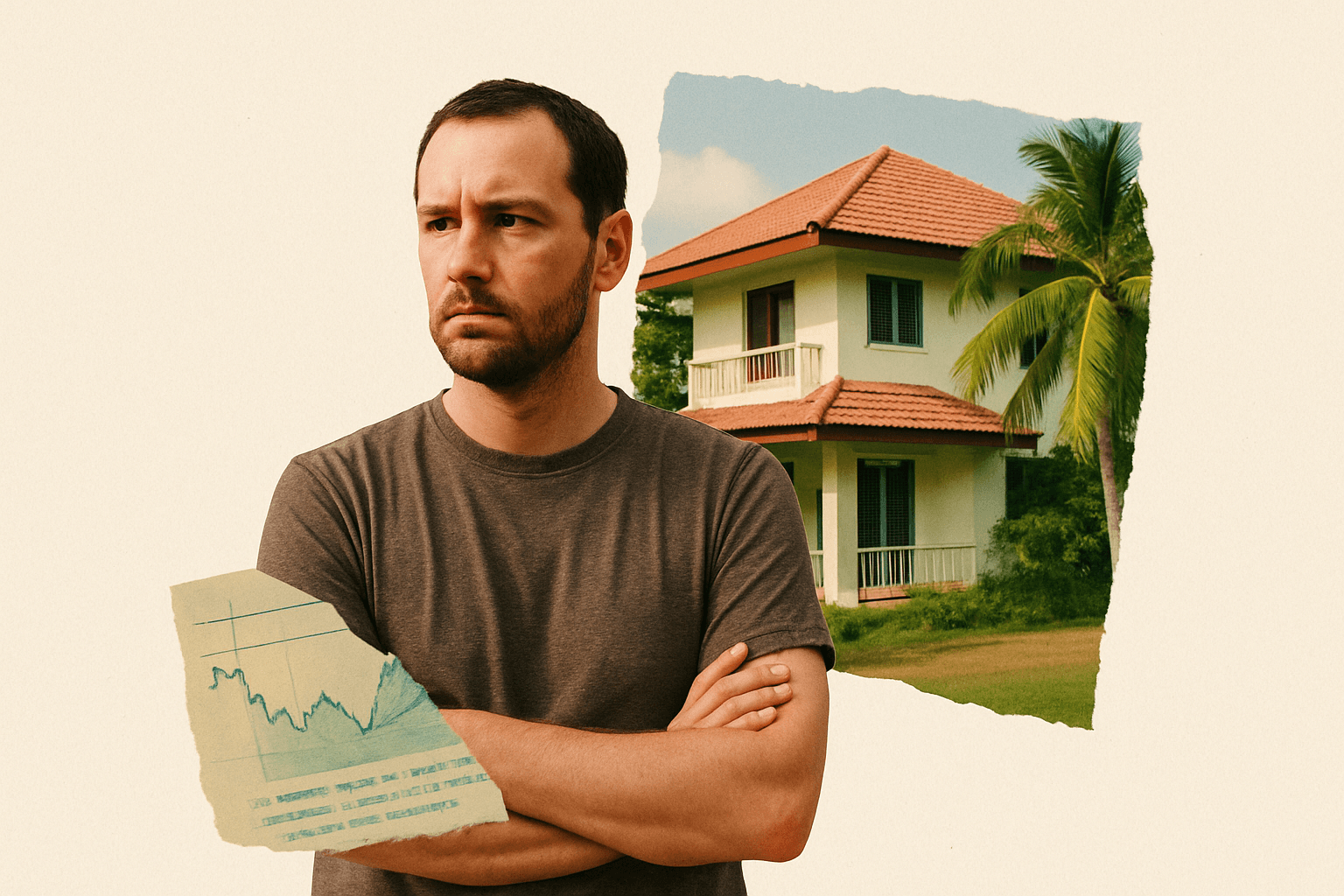
Choosing between buying and renting property in Thailand can feel like navigating a maze, especially for newcomers. Both options come with their own sets of advantages and challenges that can significantly impact your expat experience. Here’s a breakdown to help you make an informed decision.
Renting: Flexibility and Less Risk
Renting a property in Thailand offers several benefits, particularly for expats who may be unsure about their long-term plans. Here are some key points:
- Flexibility: Renting allows you to adapt quickly to changes in job situations or personal circumstances without being tied down to a mortgage.
- Lower Upfront Costs: In general, renting requires less initial capital than purchasing a home. You typically need to pay a security deposit and the first month’s rent.
- Maintenance Responsibility: Landlords usually handle property maintenance, which can save you time and money.
Considerations for Renting
- Lease Terms: Make sure to read the lease carefully. Most contracts are for a year, but shorter terms might be available.
- Location Matters: Areas with high expat populations often have rental properties specifically geared towards foreigners, making them easier to find.
- Documentation: As a foreigner, you may need to provide proof of income and identification to secure a rental agreement.
Buying: Investment and Stability
Purchasing property can be appealing for those looking for long-term investment opportunities. Here’s what you should know:
- Property Ownership Laws: Foreigners can buy condos in Thailand, but ownership of land is more complicated. You might need to set up a Thai company to own land, which can involve significant legal considerations.
- Investment Potential: Buying can be a good investment if property values increase, allowing you to build equity over time.
- Stability: Owning a home can provide a sense of permanence, which can be comforting in a new country.
Risks of Buying
- Market Volatility: The property market can be unpredictable, and prices may fluctuate significantly [Source 1].
- High Upfront Costs: Purchasing a home involves significant costs, including legal fees, taxes, and maintenance. Ensure you have a clear understanding of the total cost of ownership.
- Liquidity Issues: Selling a property can take time, and in a fluctuating market, you may not get your desired price when you need to sell.
Conclusion: Weighing Your Options
Ultimately, the decision to buy or rent in Thailand should be based on your personal circumstances, financial situation, and future plans. If you're looking for flexibility and lower initial costs, renting may be the better choice. However, if you're ready for a long-term commitment and potential investment, buying could be worthwhile.
What to Do This Week
- Visit Local Listings: Explore rental and real estate websites to understand market prices in your desired area.
- Consult with a Real Estate Agent: Finding an agent who specializes in expat needs can help clarify your options and the local market.
- Review Documentation: Gather necessary documents like proof of income, identification, and any financial statements you may need for renting or buying.
Disclaimer
Please verify official requirements and legal considerations regarding property ownership and rental agreements in Thailand, as regulations can change and vary by location.