
May 3, 2026
Navigating Food Safety and Markets in Thailand
Discover essential tips for ensuring food safety while enjoying Thailand's vibrant eating scene, from street food to local markets.
By Thriving Expat
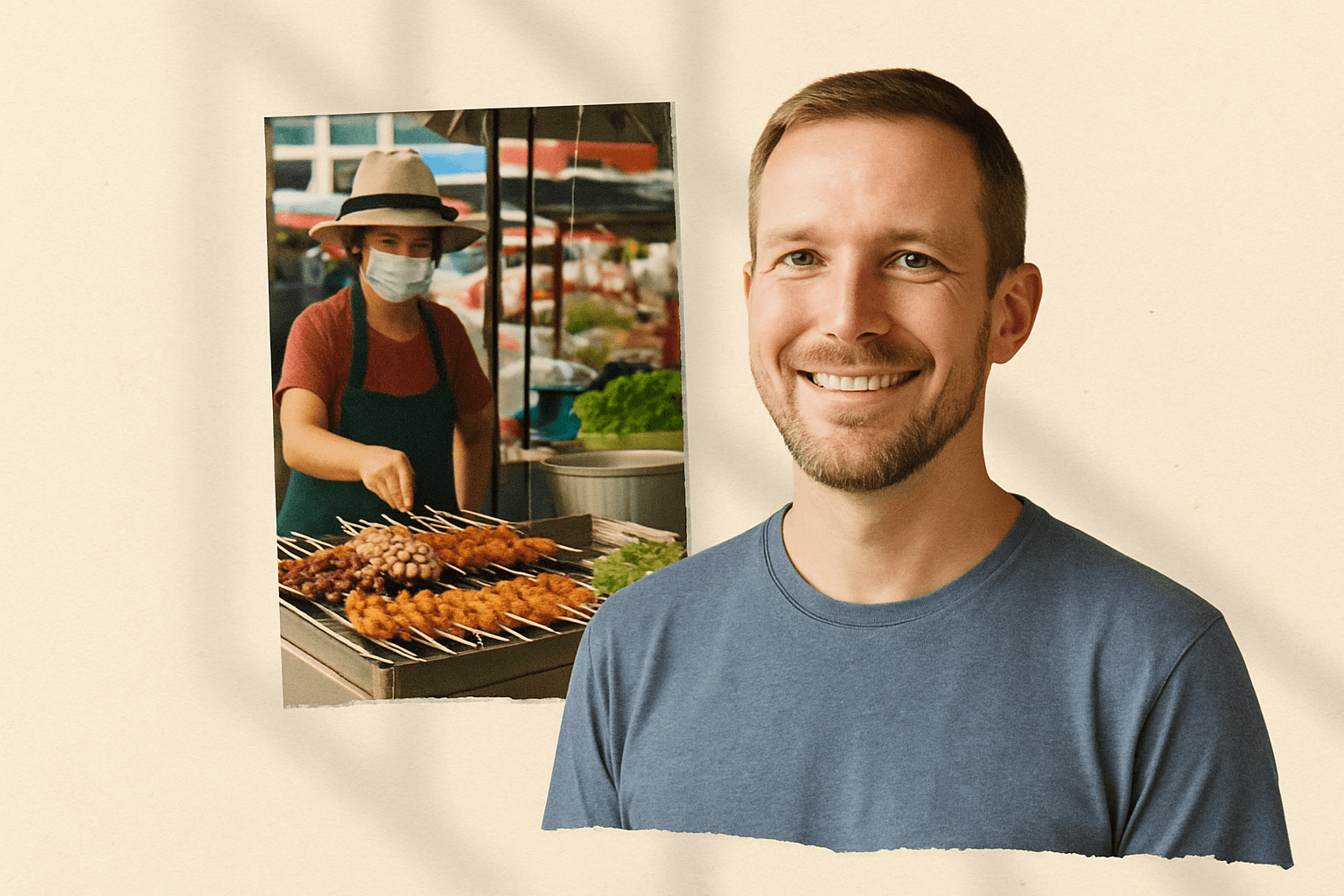
Picture this: You’re wandering through a bustling night market in Chiang Mai, drawn in by the tantalizing aromas of grilled meats and fresh fruits. As an expat, it's crucial to enjoy these culinary delights while keeping food safety in mind. Here’s a practical guide to help you navigate street food hygiene, local markets, and eating out in Thailand without surprises.
Street Food Hygiene Basics
Thailand is renowned for its street food culture, offering an array of delicious and affordable options. However, it’s essential to prioritize hygiene:
- Observe the Crowds: If a stall is busy with locals, it’s often a good sign of quality and turnover, which can indicate freshness.
- Check for Cleanliness: Look for stalls that maintain a clean cooking area and use fresh ingredients. A clean setup can reflect the vendor’s hygiene practices.
- Ask Questions: Don’t hesitate to inquire about how the food is prepared, especially if you have allergies or dietary restrictions.
Supermarkets vs. Local Markets
In Thailand, both supermarkets and local markets offer unique experiences:
Supermarkets
- Familiar Brands: International supermarkets like Tesco Lotus and Big C often carry familiar brands and packaged foods, which can be reassuring for expats.
- Controlled Environment: Supermarkets generally have stricter food safety regulations, making them a safer option for packaged and processed foods.
- Price Variability: Prices can be higher compared to local markets, especially for imported goods.
Local Markets
- Fresh Produce: Local markets often provide fresher fruits and vegetables. Look for vibrant colors and firm textures to ensure quality.
- Cultural Experience: Shopping at local markets offers a chance to engage with the community and learn about local ingredients.
- Potential Risks: Be aware that hygiene standards may vary; always wash fruits and vegetables thoroughly before consumption.
Allergies and Dietary Restrictions
If you have food allergies, navigating Thai cuisine can be challenging:
- Learn Key Phrases: Familiarize yourself with Thai terms for your allergies (e.g., “no peanuts” is “mai sai tua.”). This can help you communicate your needs effectively.
- Use Allergy Apps: Consider using translation apps to help explain your dietary restrictions to vendors.
- Carry Snacks: Always have safe snacks on hand in case you need to avoid certain foods while out.
Practical Tips for Eating Well
To enjoy the culinary landscape of Thailand safely, keep these tips in mind:
- Stay Hydrated: Drink bottled water to avoid potential issues with tap water.
- Cook at Home: Experiment with cooking Thai dishes at home using fresh ingredients from local markets.
- Join Food Tours: Consider joining a food tour where guides can introduce you to safe and delicious street food options.
What to Do This Week
- Visit a Local Market: Explore a nearby market and try a new fruit or vegetable. Look for vibrant, fresh options and interact with local vendors.
- Try Cooking at Home: Pick a simple Thai dish and gather the ingredients from a supermarket or local market. This can be a fun way to immerse yourself in the culture.
- Engage with Locals: Make it a point to talk to locals about their favorite street food stalls and any tips they might have regarding food safety.
Enjoying the culinary delights of Thailand doesn’t have to come with uncertainty. By following these food safety practices and staying informed about your options, you can savor the incredible flavors of Thai cuisine with confidence.