
May 5, 2026
Navigating Remote Work as a Digital Nomad in Thailand
Explore essential visa options, accommodation tips, and practical advice for digital nomads in Thailand, ensuring a smooth remote work experience.
By Thriving Expat
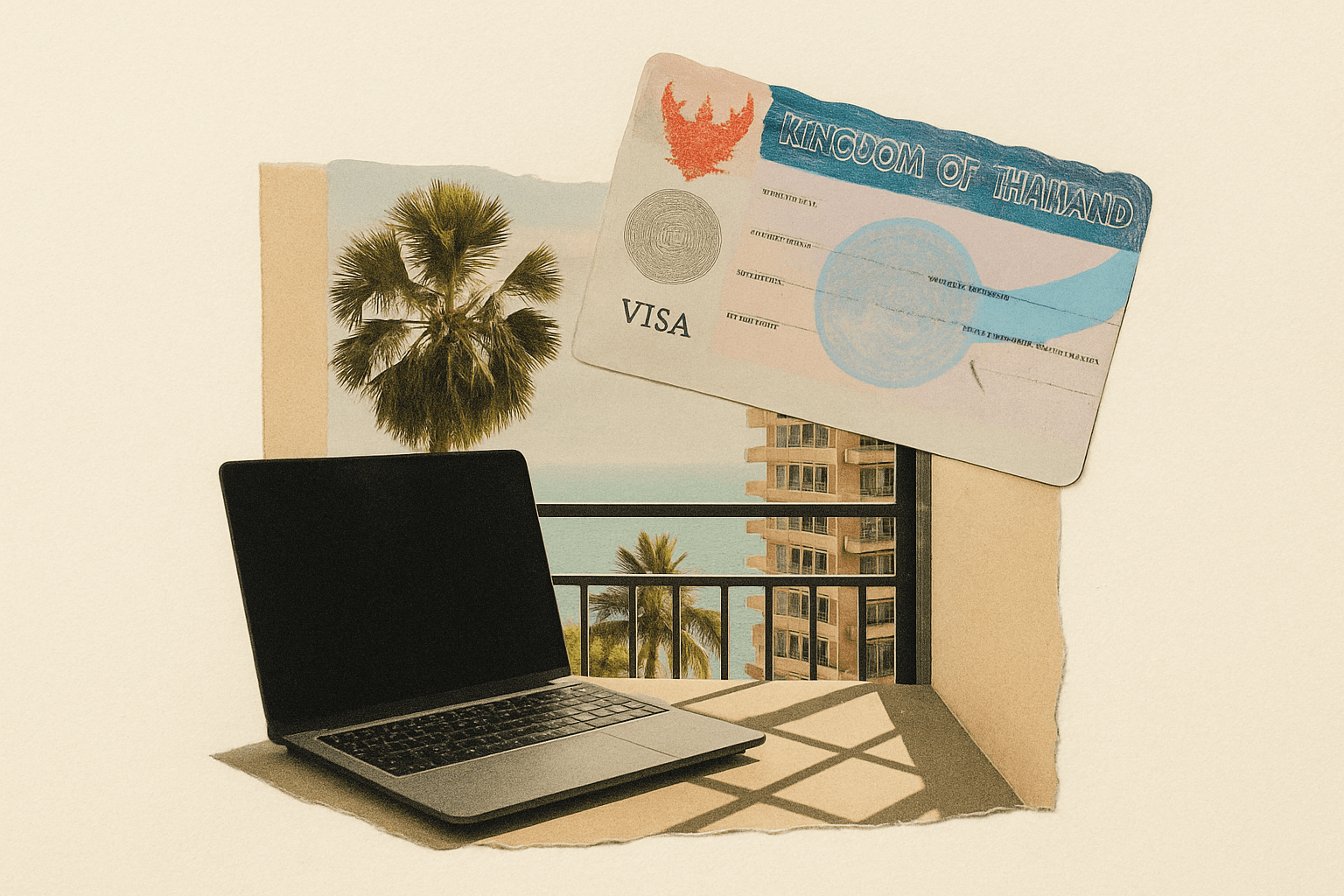
The vibrant lifestyle of digital nomads in Thailand offers a unique blend of work and leisure. Embracing remote work in this Southeast Asian paradise presents exciting opportunities and challenges. Understanding the practical aspects can significantly enhance your experience.
Key Thailand Digital Nomad Visa Options
Thailand provides several visa options tailored for digital nomads:
-
Destination Thailand Visa (DTV)
- Best for: Freelancers and remote workers.
- Stay: Up to 180 days per entry, extendable for another 180 days.
- Validity: 5 years (multiple-entry).
- Requirements: Proof of 500,000 THB (~$13,500), employment contract/portfolio, valid passport.
- Cost: ~10,000 THB.
-
Long-Term Resident (LTR) Visa
- Best for: Highly skilled professionals and corporate remote workers.
- Stay: Up to 10 years.
- Requirements: High annual income ($80,000+) and specialized skills.
-
Thailand Privilege Visa (Elite Visa)
- Best for: High-net-worth individuals.
- Stay: 5-20 years.
- Cost: 650,000 to 5 million THB.
Accommodation Options
Finding the right place to stay is crucial for a comfortable work-life:
- Hotels/Resorts: Suitable for short stays but may be costly for long-term.
- Long-Term Rentals: Options like Airbnb or shared accommodations can offer more affordable and homely environments.
- Buying or Renting a Condo: Foreigners can purchase or rent condos in Thailand. Consult a property lawyer for guidance.
Working Environment
While you may work from your accommodation, consider these alternatives:
- Coworking Spaces: Look for spaces in cities like Bangkok, Chiang Mai, and Phuket. They provide high-speed internet and networking opportunities.
- Cafes: Many cafes offer a conducive environment for remote work, though they may be less quiet than coworking spaces.
Health Insurance
Healthcare in Thailand is affordable, but ensure you have health insurance to cover unexpected costs. Research local providers and avoid potential scams.
Tax Obligations
As of 2024, you may be liable for Thai taxes on foreign income if you stay for 180 days or more in a calendar year. Consult a tax professional for clarity on your obligations.
Important Tips
- 90-Day Reporting: Mandatory for certain visas. Report to Thai Immigration every 90 days.
- Avoiding Overstays: Secure a long-term visa or apply for extensions to prevent penalties.
Conclusion
Living and working in Thailand can be rewarding, combining rich culture with a beautiful environment. By understanding visa options, accommodation types, and local regulations, you can ensure a smooth transition into the digital nomad lifestyle. Always check official sources for the latest information and consider reaching out to local expat communities for support.