
Jul 20, 2026
Sustainability and Recycling in Daily Life
Explore practical habits for expats in Thailand to reduce waste and embrace sustainable living through recycling and eco-friendly choices.
By Thriving Expat
Myth vs Reality
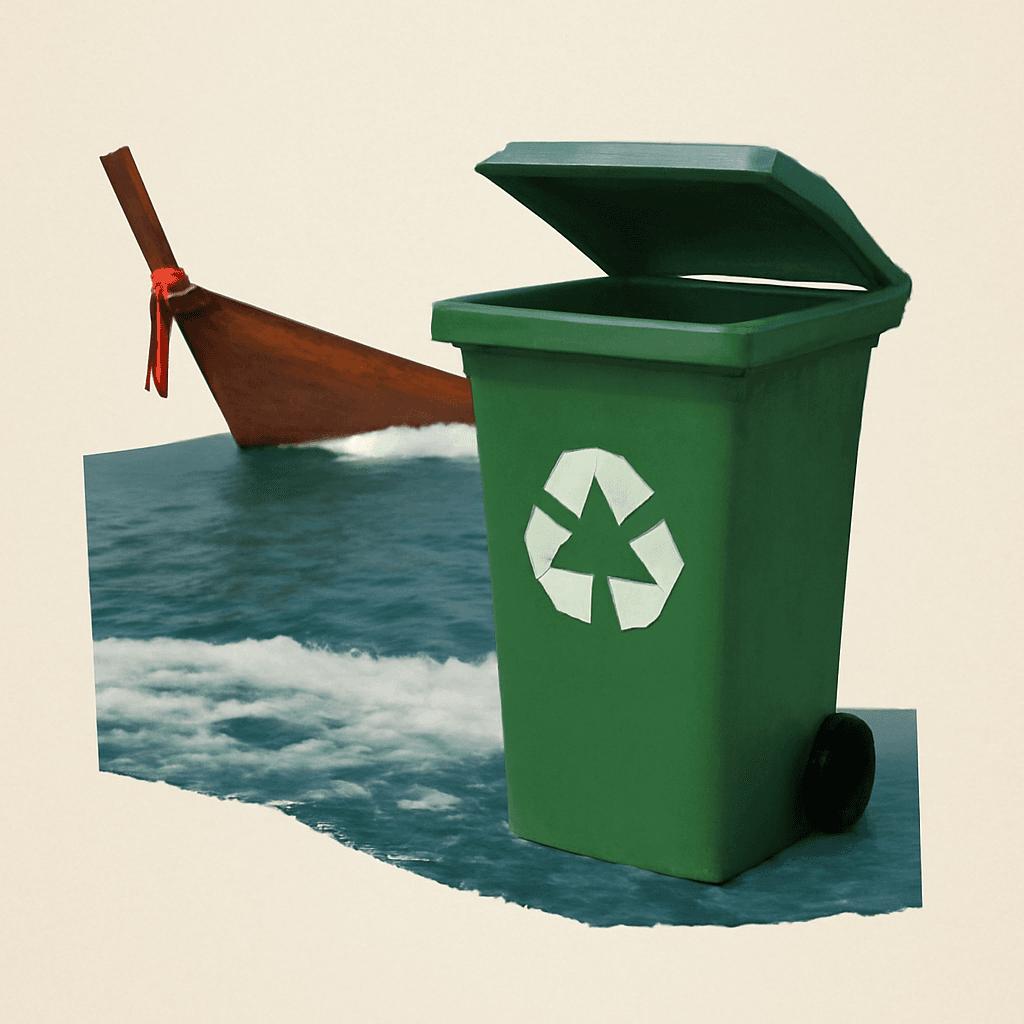
Many people believe that living sustainably in Thailand is challenging due to limited resources and ineffective waste management systems. However, the reality is that eco-conscious habits can be easily integrated into daily life, especially in urban areas where awareness is growing.
Understanding Waste Management in Thailand
In Thailand, waste management is a pressing issue, particularly in major cities like Bangkok. Here are some key points to consider:
- High Waste Generation: Thailand generates a significant amount of waste, with cities like Bangkok producing over 10,000 tons daily. This highlights an urgent need for effective waste reduction strategies.
- Recycling Rates: The recycling rate in Thailand is relatively low, estimated at around 20%. Many recyclable materials, such as plastic and paper, often end up in landfills due to improper disposal practices. Thus, it is imperative for residents to take initiative in recycling efforts [Source 1].
Practical Habits for Reducing Waste
Expats can adopt several practical habits to contribute to sustainability:
- Separate Waste: Familiarize yourself with local recycling guidelines. Most areas have specific bins for plastics, paper, and organic waste. Separate your trash accordingly to ensure it is recycled properly.
- Use Reusable Products: Invest in reusable bags, water bottles, and containers. This helps reduce reliance on single-use plastics, which are prevalent in Thailand’s markets and stores.
- Shop Smart: Choose local markets over supermarkets where possible. Local produce often comes with less packaging, and it supports the local economy.
- Educate Yourself and Others: Engage with local communities or expat groups to learn about sustainable practices. Sharing knowledge can amplify the impact of your efforts.
The Reality of Plastic Reduction
While Thailand has made strides towards reducing plastic waste, challenges remain:
- Plastic Bags: Many stores still offer plastic bags, and while there are initiatives to reduce their use, compliance varies. Be proactive and bring your own bags.
- Public Awareness Campaigns: The Thai government has launched campaigns to encourage recycling and waste reduction, yet public participation is crucial. Being part of these initiatives can enhance their effectiveness and create a sense of community [Source 2].
Eco-Minded Choices in Thai Cities
Several Thai cities are becoming more eco-conscious, offering opportunities for expats to engage in sustainable living:
- Bangkok: Known for its bustling life, Bangkok has numerous eco-friendly cafes and stores that prioritize sustainability. Look for places that utilize biodegradable materials and local produce.
- Chiang Mai: This city has embraced sustainability with various initiatives, including community gardens and waste reduction programs. Participating in local events can foster a stronger connection to sustainable practices.
- Phuket: Efforts to clean up beaches and reduce plastic use have gained momentum. Many local organizations focus on environmental conservation, allowing expats to get involved in impactful projects.
Conclusion
Incorporating sustainable habits into your daily life in Thailand is not only possible but essential. By understanding the local waste management systems, adopting eco-friendly practices, and engaging with the community, expats can contribute significantly to sustainability efforts. Remember, every small action counts in the fight against waste and environmental degradation.