
May 11, 2026
Understanding Thai Culture: A Guide for Expats
Explore the key aspects of Thai culture, social norms, etiquette, and practical expectations to ease your transition into daily life in Thailand.
By Thriving Expat
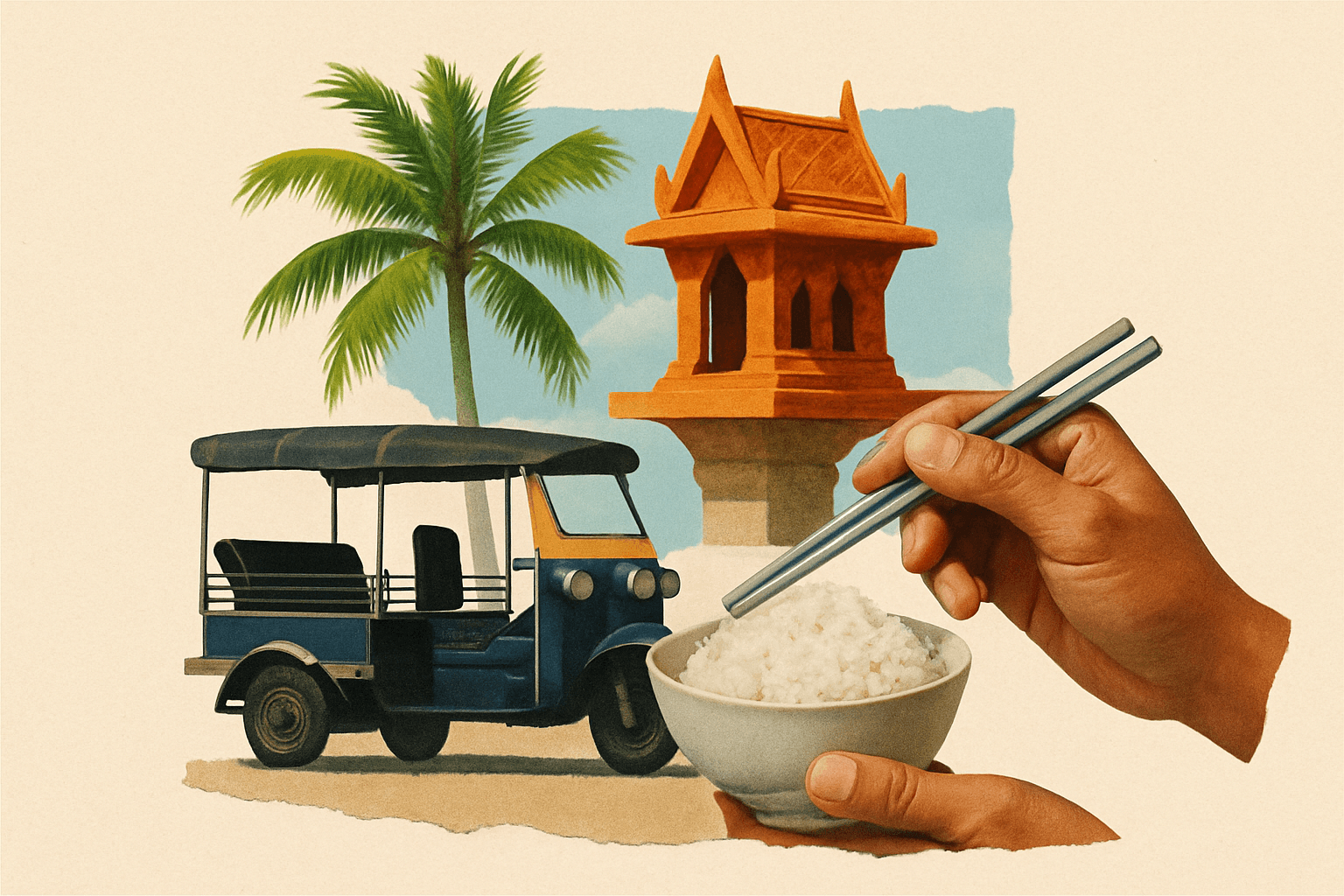
Embracing a new culture can be one of the most rewarding aspects of life abroad. Understanding the nuances of Thai culture will not only enhance your experience but also help you build meaningful relationships with locals. Here’s a comprehensive overview of essential cultural insights to make your transition smoother.
Social Norms
Thailand is often referred to as the "Land of Smiles," and this is a reflection of the warm, welcoming nature of its people. However, underlying this friendliness are specific social norms that govern interactions:
- Respect for Hierarchy: Thai society places a strong emphasis on respect, particularly towards elders and those in positions of authority. It's common to greet someone with a slight bow and the traditional "wai" gesture, where you place your palms together at chest level and bow your head.
- Avoiding Conflict: Thais generally prefer to avoid confrontation. If you find yourself in a disagreement, it’s best to remain calm and polite. Raising your voice or showing frustration may be perceived as disrespectful.
- Dress Code: When visiting temples or attending formal events, dress modestly. This typically means covering shoulders and knees. For everyday wear, casual attire is generally acceptable.
Etiquette
Understanding the etiquette in Thailand is crucial to fitting in:
- Dining Practices: When dining, it’s polite to wait for the host to begin the meal. Use a fork to push food onto a spoon, as the fork is not meant to be used for eating directly. Sharing dishes is common, so expect to try a variety of foods.
- Public Behavior: Public displays of affection are generally frowned upon. Keep interactions discreet, especially in rural areas.
- Shoes Off Indoors: It’s customary to remove your shoes before entering someone’s home. This is a sign of respect and cleanliness.
Communication Style
The way Thais communicate can be quite different from Western cultures:
- Indirect Communication: Thais often use hints or non-verbal cues rather than direct statements. This can sometimes lead to misunderstandings, so pay attention to body language and tone.
- Smile as a Response: A smile can convey a range of emotions, from happiness to embarrassment or discomfort. It’s a versatile tool in Thai communication.
- Politeness: Use "ka" (for women) or "krub" (for men) at the end of sentences to show politeness. This simple addition can go a long way in building rapport.
Practical Cultural Expectations
To navigate daily life in Thailand, consider these practical expectations:
- Public Transport: Familiarize yourself with the BTS and MRT systems in Bangkok, as they are efficient and cost-effective. Always give your seat to the elderly or pregnant women.
- Local Markets: Exploring local markets is a great way to experience Thai culture and cuisine. Be prepared to haggle, as bargaining is expected.
- Cultural Events: Engage with local festivals and events. Participating in celebrations like Songkran (Thai New Year) or Loy Krathong (Festival of Lights) will deepen your cultural understanding.
What to Do This Week
- Visit a Local Temple: Spend a day visiting a nearby temple to observe and participate in local customs. This will help you better understand the spiritual aspects of Thai culture.
- Attend a Cooking Class: Sign up for a Thai cooking class to learn about the ingredients and techniques used in traditional dishes. This will also provide insight into the importance of food in Thai culture.
- Join a Language Exchange: Look for language exchange meetups to practice your Thai. This is a fun way to meet locals and improve your communication skills.
By immersing yourself in the local culture and respecting Thai customs, you will not only enhance your experience but also foster lasting friendships with the people you meet along the way.